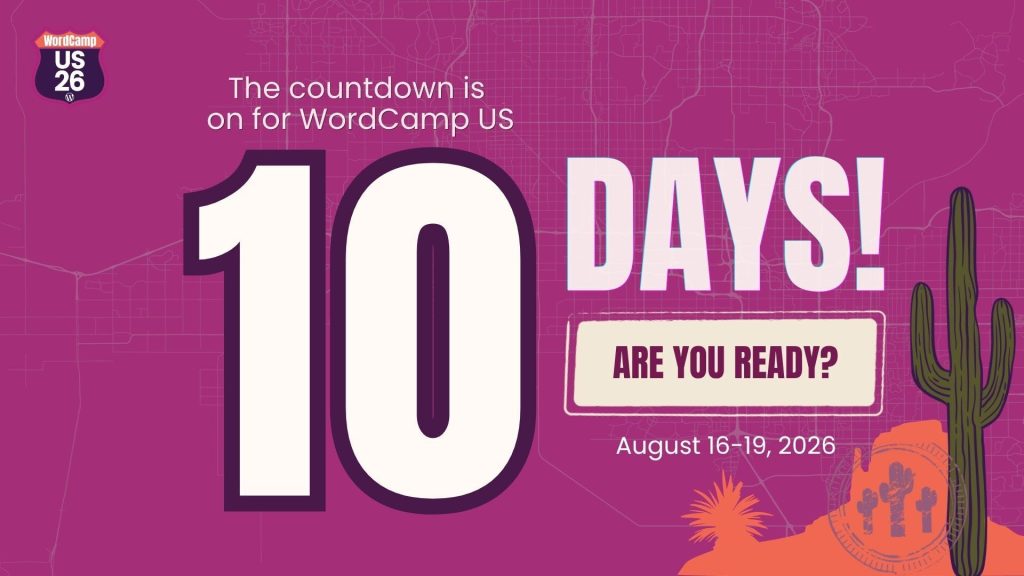
Today marks exactly 10 days before WordCamp US 2026, scheduled to unfold in Phoenix, Arizona—the Valley of the Sun, where even the cactuses wear sunglasses and the air itself simmers like the inside of a pressure cooker. 10 days! Under ordinary circumstances, this would be the moment I frantically checked and rechecked my packing list, confirmed the status of my travel arrangements, stalked the social feeds of people I wanted to meet, triple-checked the event schedule, and let my excitement build in a crescendo of anticipation, the way Ugandan boda-boda riders rev their engines before a traffic light turns green.
Instead, I am waiting. My U.S. visa is somewhere in the bureaucratic ether, not quite denied, not quite approved. Interview completed, my passport snatched up and locked away in a blue folder. U.S. Embassy visa services: Paused.
Because of the abrupt halt in visa services at the American Embassy in Kampala, my fate is tethered to some invisible thread dangling from an office in D.C., or maybe Nairobi, or anywhere. I emailed the Embassy, but their response was a study in minimalism: They would let me know when services resume.
So here I am.
10 days out, Waiting.
Am I scared? Of course. I would be lying if I said I wasn’t. 10 days doesn’t feel like a long time when you realize that your entire international journey depends on a bureaucratic process that moves with the urgency of a snail on holiday. Even if the visa services resumed, there is still the matter of how quickly the cogs of government could start spinning again. Could my visa be processed in time? Could it be printed and glued into my passport before the plane took off?
Would I be able to retrieve my passport from the Embassy fortress in time? Could I rearrange my travel logistics before the prices quadrupled, or before my seat got reassigned to some European influencer with a blue checkmark?
Could anything be expedited? I don’t know. And perhaps that is the most excruciating part: I genuinely don’t know how it is going to work out. There isn’t a server I can reboot, or a WordPress bug I could squash, or a line of PHP I could doctor as a last-minute fix. No settings to tweak. No logs to parse. This is the terrifying, absolute helplessness of a man raised on troubleshooting, now confronted with a problem that could not be troubleshot. Some things simply aren’t in our control, a fact that tasted both bitter and metallic in my mouth.
If you work in technology, you’re conditioned to believe that every setback has a root cause and every root cause has a solution. If something is broken, you investigate. You check the logs. You change the configuration. You run another test. But sometimes life presents you with a status page that simply says: “Service Unavailable. Please try again later.” You hit refresh, and nothing changes except your own mounting anxiety.
So, what do you do when you can’t do anything?
You prepare for what you can. My documents have to remain ready: my plans, ready. My suitcase packed, and repacked, and repacked again until the wheels threaten to file for divorce. My conversations with the WordCamp US team continues, even if each Zoom call feels like a prelude to disappointment. And until someone tells me with unambiguous legalese that I am not going to Phoenix, I resolve to act as if I still am.
Maybe that sounds naïve. But 10 days is 10 days. A lot can happen in 10 days. Services could resume. My case could move. My passport could be ready. A flight could be booked. And this article could become something I read, months later, from a hotel room in Phoenix, the whole ordeal reduced to a punchline over breakfast burritos or even a memory of how fast God can work.
I certainly hope so. Because this trip means more than getting on a plane.
WordCamp Us 2026 – Phoenix Arizona
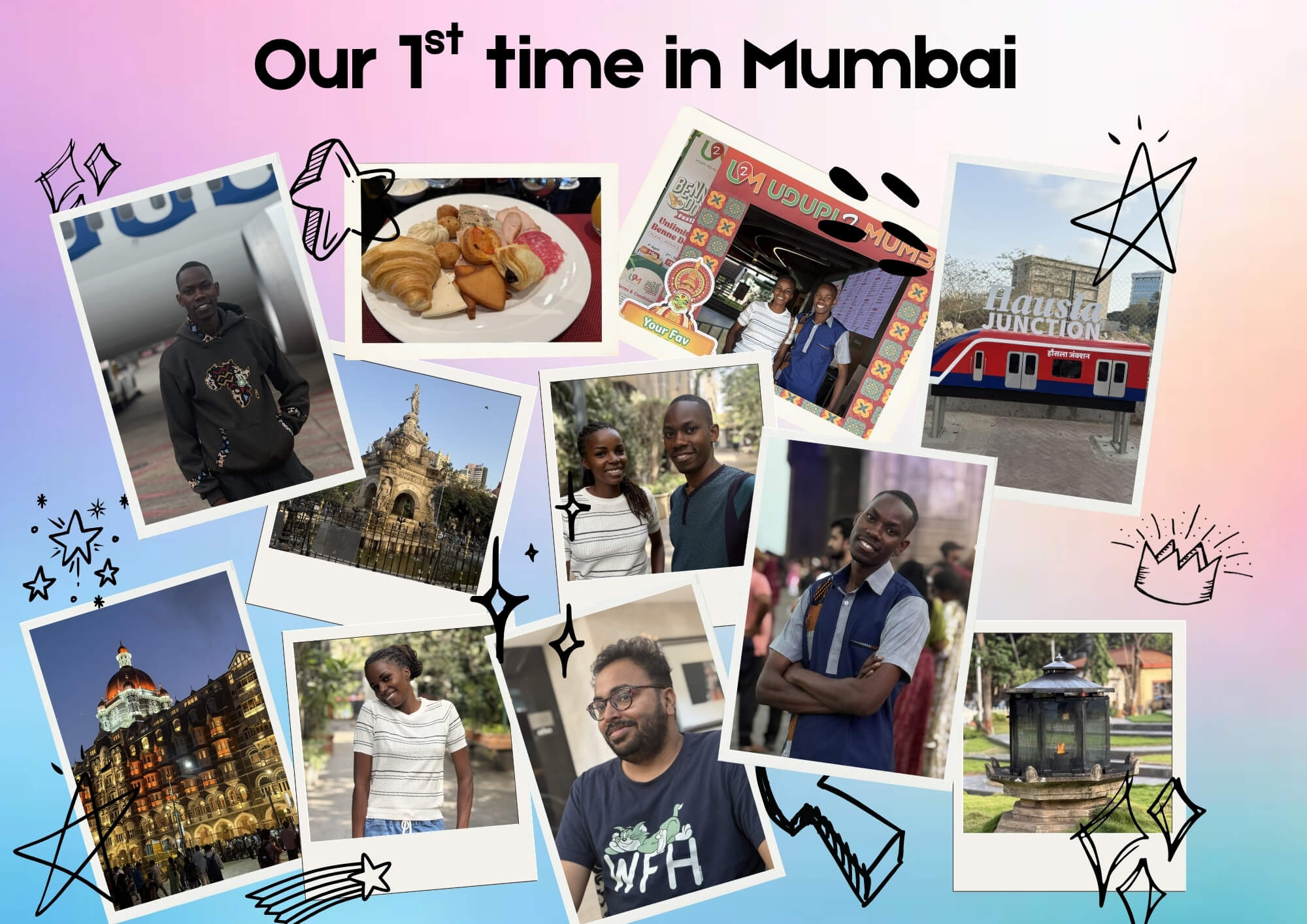
Part of why this uncertainty gnaws at me is that WordCamp US isn’t just another conference circled on my digital calendar. For me, opportunities like this represent a longer journey, a journey measured not in miles but in years, in failures, in the number of times I had to explain to relatives that, yes, people actually do get paid for working on the internet. I’ve been to WordCamp Asia in Mumbai 2026 and have written about it. Organizing a WordPress event means more to me than just a badge or a selfie with Matt Mullenweg. There is always something at stake. A pain that never heals: the pain of being the one who always misses out.
I’ve been missing out since school. I remember sitting in a hot, crowded computer lab, the fans spinning lazily, trying to sneak teach myself how to code with a textbook that predated the Internet Explorer logo. I remember the years after graduation, where I kept learning not because it was required, but because it was necessary for survival. My degree is important, yes, but the most crucial lessons in my career happened in places outside my class environment. Technology demanded that I remain a student, forever.
I learned by doing. By breaking things. By fixing them, even if only temporarily. By asking questions that made me look stupid. By reading documentation in the midnight blue of a blackout. By working with people who spoke in code and metaphors, their minds wired to think in logic loops and edge cases. By volunteering. By contributing. By teaching others, because sometimes the best way to learn is to explain something to someone who is even more confused than you are. And sometimes, by sitting in front of a computer at 2:37 a.m., staring at an error message that made less sense the longer you looked at it.
That, too, was an education.
And if you work in technology, graduation is a mirage. You never really finish school. If anything, you realize that the diploma was just the invitation to the real classroom, where the lessons are more expensive and the exams never end.
In my years in IT, WordPress, web development, community work, and open source, I was always pushed to learn things that would never have appeared on a Ugandan school syllabus. Technical support taught me patience. Systems administration taught me that responsibility is mostly about being blamed for things you didn’t do. Web development taught me that there are usually six ways to solve the same problem, all of them wrong, and that if you’re lucky you can cobble together a seventh that is just wrong enough to work. Open source taught me collaboration, and humility.
But WordPress taught me community.
Community leadership taught me something even more valuable: technology, in the end, is about people. Behind every website is a person. Behind every support ticket is a person. Behind every bug report, every contribution, every keyboard shortcut, every emoji reaction in Slack,there is a person. And behind every WordCamp badge is a story.
Mine happened to include a Ugandan who stumbled onto WordPress, started contributing, found himself embraced by a global community, and somehow ended up preparing to cross an ocean to help organize one of its flagship events. Sometimes I stop to stare at my own life, as if it were a console log I needed to debug, just to appreciate how improbable it all was.
At the beginning, WordPress was just another free download. But somewhere along the way, it became people, family, even. Meetups, WordCamps, contributors, developers, designers, translators, organizers, testers, volunteers. People from countries I’ve never heard of, cultures I barely understood, working together because they believe in the radical idea of an open web. That community offered me opportunities I could never have predicted when I first launched a localhost site on a borrowed laptop.
And WordCamp US? It’s not just another conference. It’s a milestone. This time, I am not going as a random attendee, but as someone who’s earned a seat at the table, someone who’s spent months serving on the Attendee Experience Team. Phoenix isn’t just a city on a map. It is a culmination of every late night, every failed deployment, every time I’ve told myself, “Maybe next year.”
Dreams shattering, Hope Holding
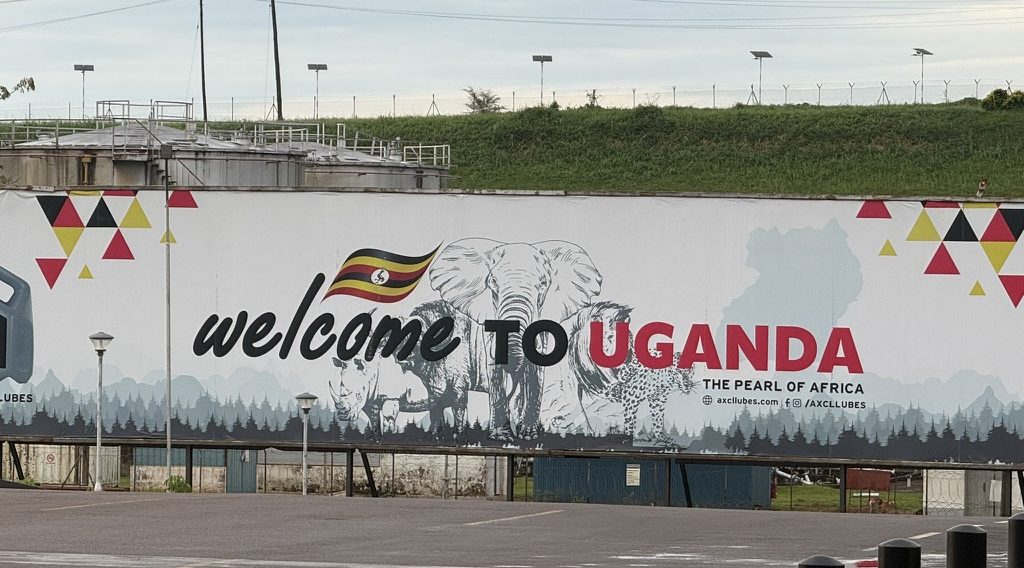
Now it is 10 days and yet, it might not happen. My dreams being held hostage by the whims of a consulate, by a system designed for everyone and for no one in particular. The same system that has, for generations, made it harder for Ugandans and, indeed, most Africans to move freely in the world, to participate fully, to be counted among those who mattered. When people talk about “third world country problems,” they rarely mean this particular flavor of humiliation: the Kafkaesque limbo of being neither accepted nor rejected, just… pending.
Every week, I join a call with the rest of the WordCamp US team. I don’t mention the visa pause. I don’t want to attract pity, or worse, have them start making contingency plans that don’t include me. Instead, I smile and nod, contribute my updates, and try very hard not to think about the fact that I might be replaced by a Slack bot with a better attendance record.
Maybe that’s why I keep preparing. Because if I let go now, it would feel like a betrayal, not just of my own hopes, but of every young Ugandan who might one day hope to travel, to contribute, to belong. If I gave up, I would be confirming every stereotype, every condescending remark, every time someone told me, “You people are always late.”
I don’t want to be late. I want to be there. I want to walk through the doors of the Phoenix Convention Center and feel the cold, recycled air hit my face. I want to shake hands (or at least fist-bump) with people who had previously existed only as avatars. I want to stand on a stage, or sit in the audience, or even just take a blurry selfie near the registration desk, and know that I made it across continents and complications to get there.
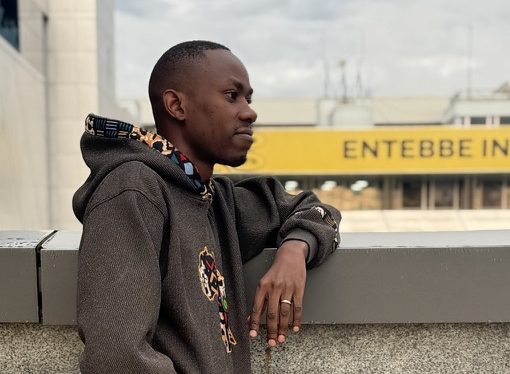
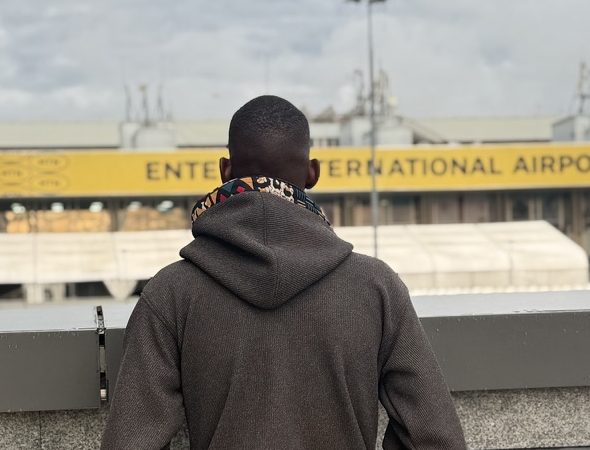
Of course, I might not. There’s a reason Ugandans are so good at making jokes about disappointment: it’s a survival mechanism. If you don’t laugh, you’ll cry, and if you cry, you’ll get dehydrated, and water is expensive. But I wasn’t writing this to complain. I was writing because waiting is its own kind of story, one that rarely gets told. Most of the time, when people succeed, they talk about the moment of triumph, the photo opp, the celebratory meal. They don’t talk about the stretch of uncertainty that comes before it, the days spent in limbo, refreshing your inbox, hoping for good news.
WordCamp US is 10 days away today. I don’t know if I will make it. But I know, with the same certainty as sunrise over Lake Victoria, that I will keep hoping, keep preparing, keep troubleshooting, until a visa is printed. And even then, I will probably keep troubleshooting, because that’s what I know how to do. The waiting is excruciating, but it is also a testament to how far I’ve come, from a local computer lab in Mukono to the edge of a global stage.
If nothing else, I could say this: Sometimes, the most important thing you bring to a conference isn’t your laptop, or your technical expertise, or your finely-honed elevator pitch. Sometimes, it’s your willingness to keep showing up, even when the system seems determined to keep you out. Sometimes, it’s your ability to wait in the dark, believing that the doors will eventually open.
10 days. The clock is ticking. The world is waiting. So am I.